
In today’s fast paced finance environment, choosing the right KPI dashboards is essential. The top KPI dashboards for finance teams in 2025 combine strategic focus, real time insights, and predictive analytics to help drive smarter decisions. This guide highlights the best dashboard types, essential KPIs, and expert best practices, all tailored for your finance team’s needs.
What Makes a KPI Dashboard Effective?
Focused on Strategic Goals
Avoid dashboard clutter. Prioritize KPIs that align with your financial objectives, like liquidity, profitability, and efficiency. As noted in this guide to KPI dashboards, too many widgets dilute clarity and cause analysis paralysis.
Real Time Data Integration
Timeliness matters. Finance dashboards must pull live data from ERP, accounting systems, and CRM to support on the go decision making.
Clear Data Visualizations and Accessibility
Use line charts for trends, bar charts for comparisons, high contrast palettes, and accessible layouts following dashboard design best practices.
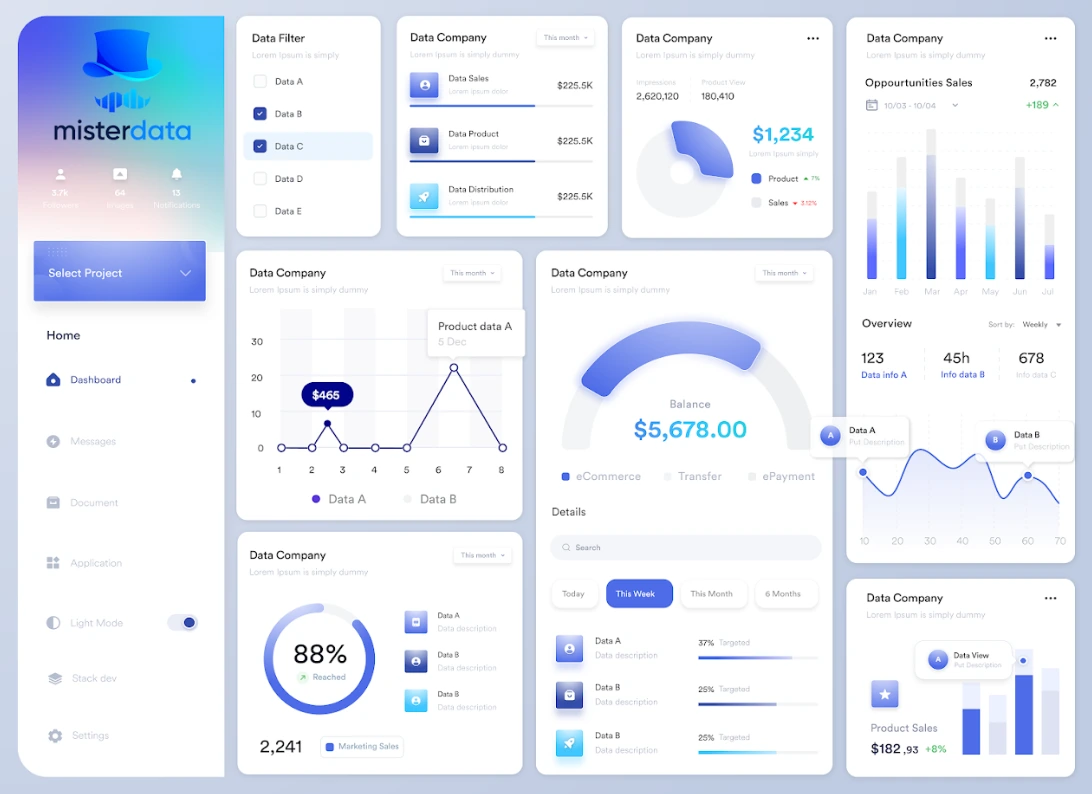
Top Dashboard Types to Implement in 2025
Executive Financial Summary
Features critical metrics including total revenue, net profit margin, cash runway, and operating expenses with high level visualizations designed for CFOs and executives.
Real Time Cash Flow Dashboard
Tracks live inflows and outflows, runway, and overdue payments. Ideal for operational finance and treasury control.
Budget vs Actual Variance Dashboard
Compares planned versus actual spend by category, flags deviations early, and supports budget control.
Profit and Loss Dashboard
Displays revenue, cost of goods sold, and profit trends in one place, perfect for monitoring monthly profitability.
Accounts Receivable and Payable Dashboard
Helps manage cash flow by tracking unpaid and upcoming payments, aging reports, and vendor timelines.
Must Track KPIs in 2025
Finance teams should focus on metrics that reflect efficiency, stability, and growth:
- Revenue Growth Rate – measures sales momentum and demand trends
- Gross Profit Margin – indicates pricing efficiency and cost control
- Operating Cash Flow – shows how much cash is generated from operations
- Accounts Receivable Turnover – highlights collection efficiency
- Debt to Equity Ratio – assesses financial leverage and risk
- Cash Runway – critical for liquidity monitoring and crisis planning
Best Practices for Designing High Impact Dashboards
- User centric layout: Follow visual flow using a Z pattern and place key metrics in the top left
- Customizability: Tailor dashboards by role such as executive, analyst, or operations
- Automated updates and alerts: Ensure up to date numbers and prompt notification of anomalies
- Embed predictive analytics: Add forecasting and what if scenario indicators
- Ensure accessibility: Use colorblind friendly palettes, alt text, and mobile responsiveness
How to Build Your 2025 Finance Dashboard Strategy
- Assess current tools and data sources to identify gaps and real time capabilities
- Define three to five critical KPIs aligned with finance goals
- Select dashboard type such as CFO summary, profit and loss, or cash flow using tools like Power BI, Tableau, or NetSuite
- Implement live data feeds and automated alerts
- Test and iterate by gathering feedback, refining visuals, and adding predictive insights
Next Steps
Ready to elevate your financial insights?
- Explore our dashboard solutions
- Try our 30 day KPI dashboard sprint customized for your team
- Contact us or book a call to start a demo
0 Comments